AI and Fashion: Addressing Common Misconceptions


Understanding AI in Fashion
The integration of artificial intelligence into the fashion industry has generated a mix of excitement and skepticism. While some see AI as a game-changer, others have misconceptions about its role and impact. This post aims to address some common misunderstandings surrounding AI in fashion.
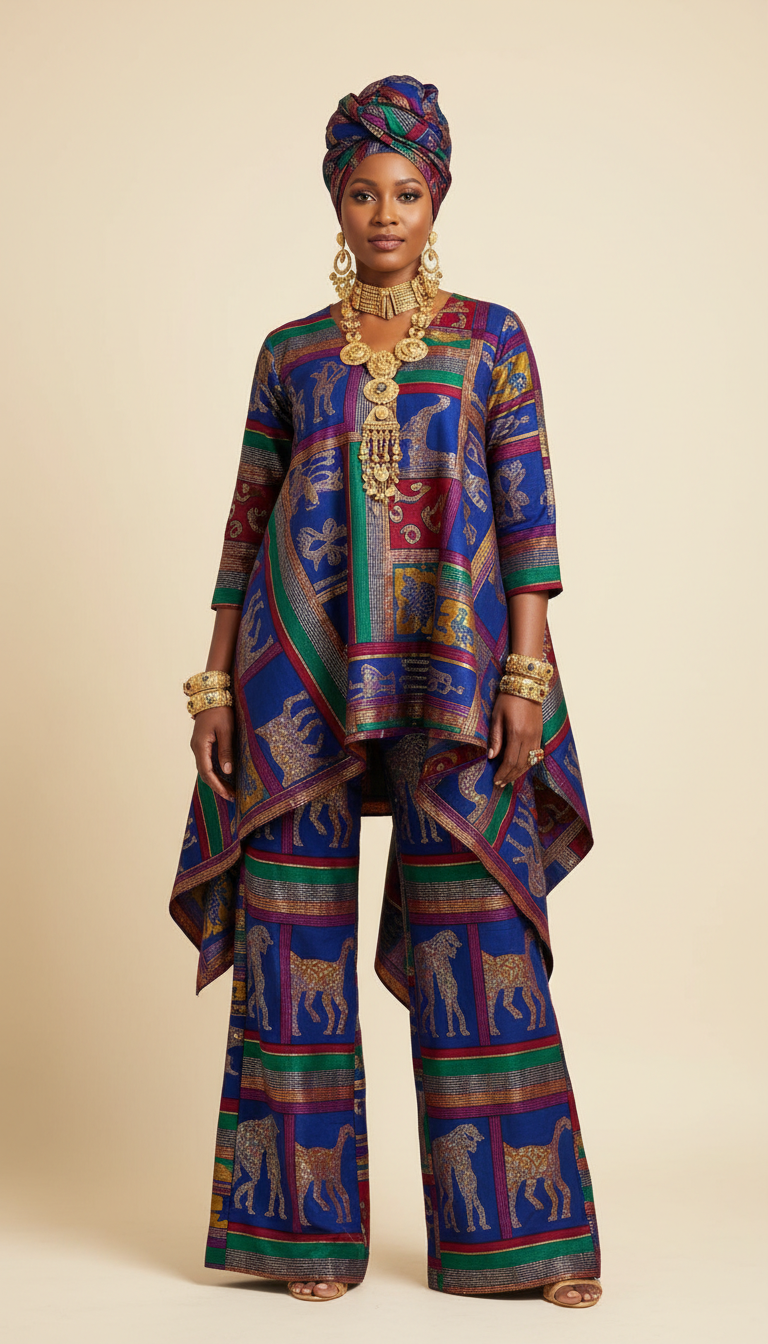
One prevalent misconception is that AI will replace human designers. In reality, AI serves as a tool to enhance creativity, not replace it. Designers can leverage AI to gain insights into trends, customer preferences, and even generate initial design concepts. This collaboration can lead to more innovative and personalized fashion pieces.
AI and Sustainability
Another misconception is that AI contributes to unsustainable practices. On the contrary, AI can significantly improve sustainability within the industry. By optimizing supply chains, predicting trends more accurately, and reducing overproduction, AI helps brands minimize waste and lower their environmental footprint.
AI also aids in material innovation. By analyzing data on material performance and sourcing, AI can suggest eco-friendly alternatives that maintain quality and durability. This leads to more sustainable production processes and products.

The Role of AI in Retail
AI's impact on retail is often misunderstood. Some believe AI will eliminate jobs in retail, but its primary role is to enhance customer experience. Through personalized recommendations, AI helps brands offer products that align with individual preferences, increasing satisfaction and loyalty.
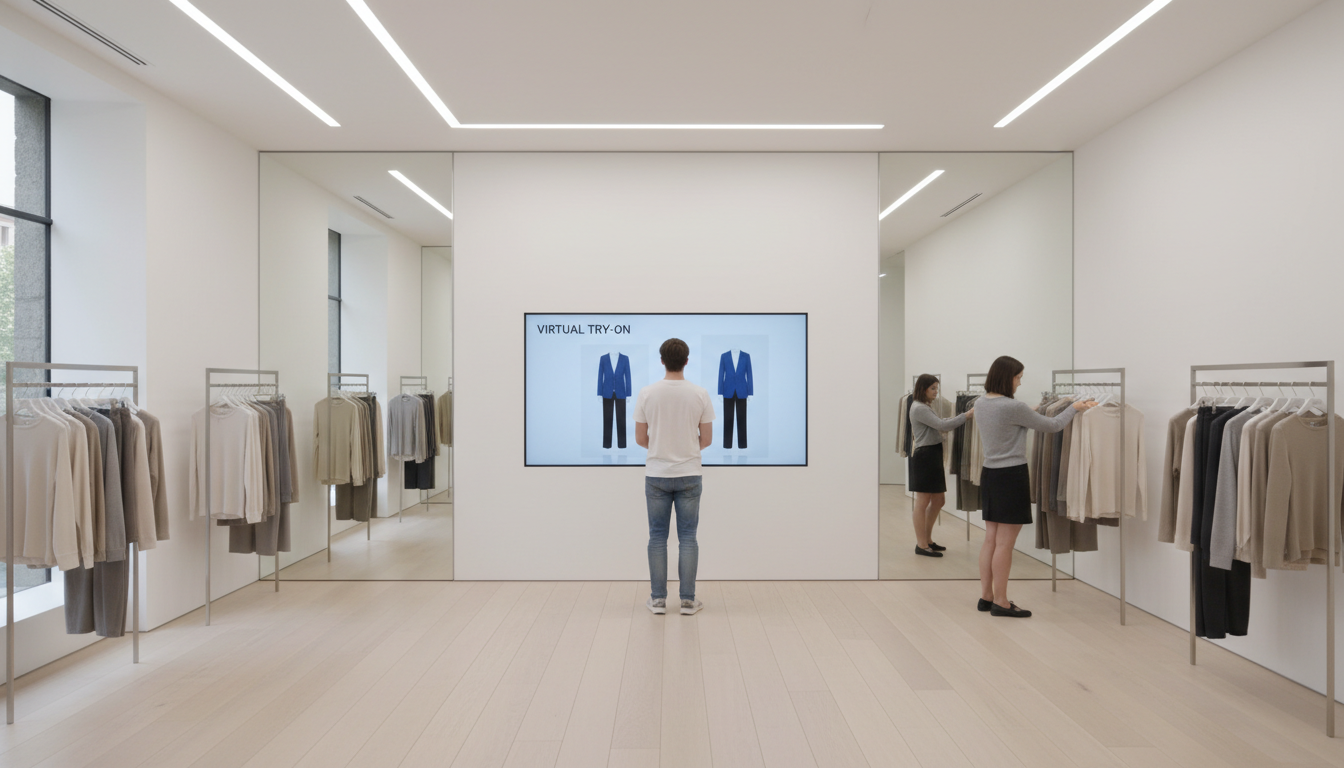
Additionally, AI-driven virtual fitting rooms and chatbots provide customers with a more interactive and convenient shopping experience. This technology not only improves service but also helps brands gather valuable insights into consumer behavior.
AI and Creativity
A common fear is that AI stifles creativity. However, AI can inspire creativity by offering new perspectives and possibilities. By analyzing vast amounts of data, AI can identify emerging trends and suggest unique combinations, giving designers fresh ideas to explore.
Moreover, AI-generated designs can serve as starting points for human designers, who then infuse their creativity and expertise to refine and personalize the designs. This synergy between AI and human creativity leads to groundbreaking fashion innovations.

Conclusion: Embracing AI in Fashion
In conclusion, AI is not a threat to the fashion industry but a powerful ally. By addressing common misconceptions, we can better understand how AI complements human creativity, enhances sustainability, and improves customer experiences.
As the fashion industry continues to evolve, embracing AI can lead to more efficient, innovative, and sustainable practices. It's time to view AI as a partner that enhances, rather than detracts from, the artistry and passion that define fashion.