Beyond the Runway: Mental Health and Fashion in the Digital Age


The Intersection of Fashion and Mental Health
In the digital age, the fashion industry is more accessible than ever, with trends and styles rapidly shared across social media platforms. However, this accessibility also brings with it a range of mental health challenges for both consumers and those working within the industry. Understanding the impact of fashion on mental health is crucial as we navigate this digital landscape.
The pressure to maintain a certain image or lifestyle, exacerbated by the constant barrage of curated content, can lead to feelings of inadequacy and anxiety. The fashion industry, with its emphasis on perfection, often sets unrealistic standards that are difficult to attain.
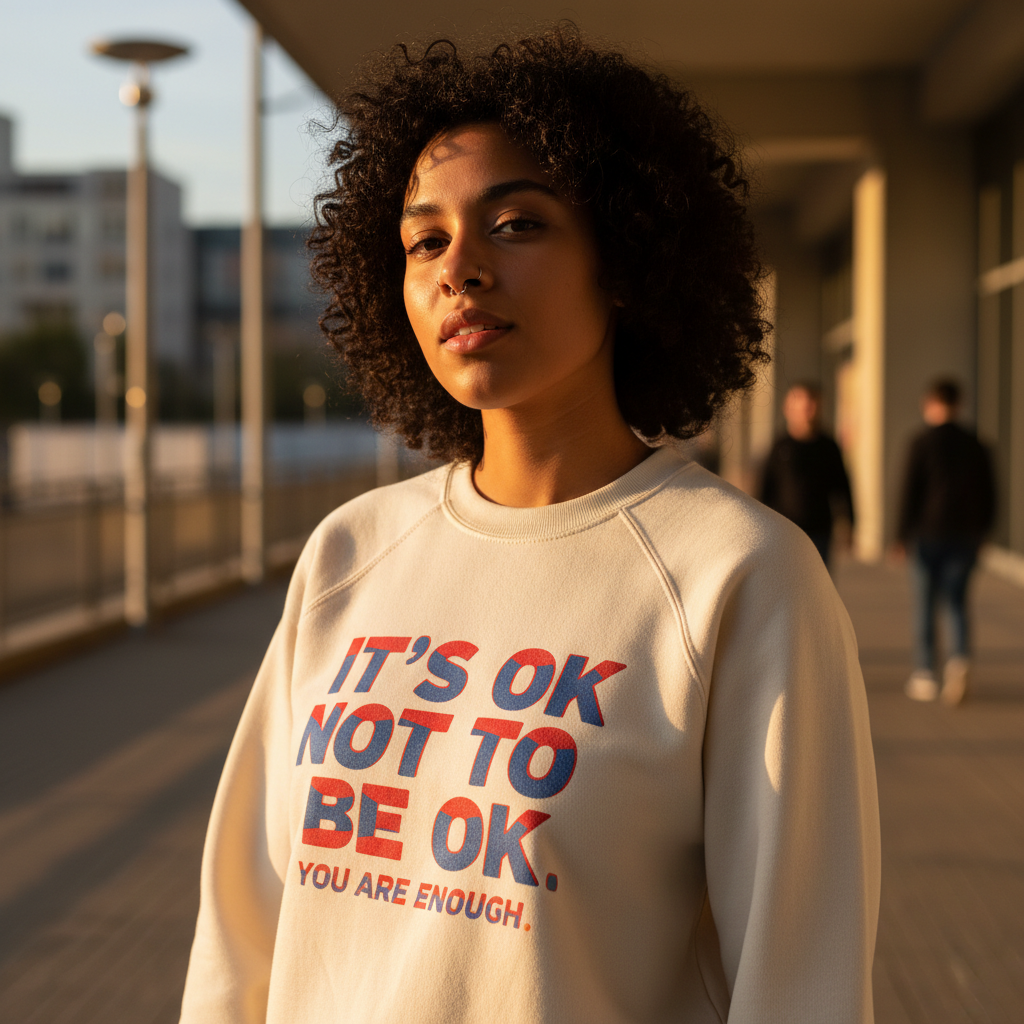
The Role of Social Media
Social media platforms are double-edged swords in the context of fashion and mental health. While they provide a space for creativity and self-expression, they also contribute to comparison and self-doubt. The 'like' culture and the pursuit of online validation can exacerbate these feelings.
Influencers and fashion icons often portray an idealized version of life that may not reflect reality. This can lead to a distorted self-image among followers who may feel they need to emulate these lifestyles to be accepted.
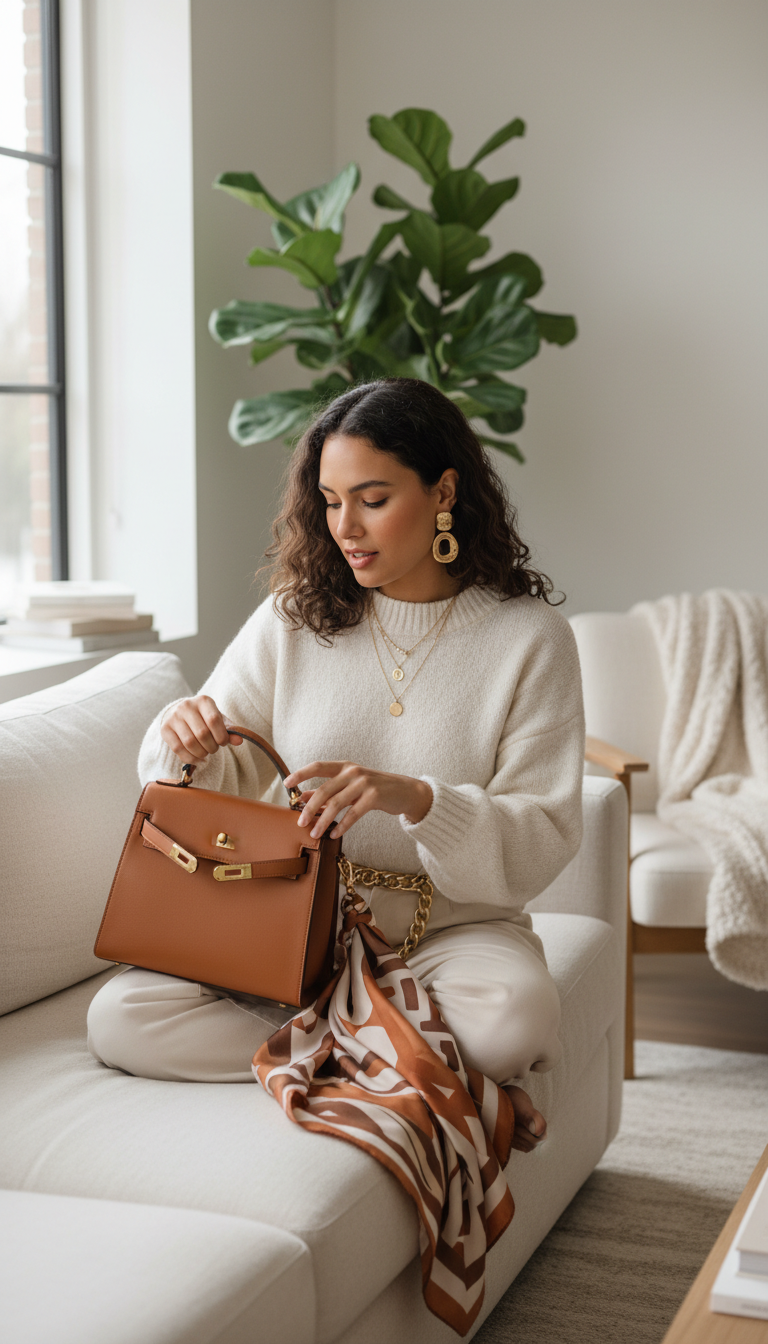
Positive Influences and Community Support
Despite these challenges, social media can also foster positive mental health by providing supportive communities. Many individuals and organizations are using their platforms to promote body positivity and mental health awareness, encouraging others to embrace their authentic selves.
- Body positivity movements challenge traditional beauty standards.
- Mental health advocates share personal stories to break stigma.
- Support groups offer a sense of belonging and understanding.
Fashion Industry's Response
The fashion industry is beginning to recognize its role in mental health and is taking steps to address these issues. Designers and brands are increasingly prioritizing inclusivity and diversity, aiming to create a more welcoming environment for all body types and identities.

Moreover, some brands are focusing on mental health initiatives by partnering with mental health organizations and supporting campaigns that promote wellbeing. This shift towards a more conscious and responsible fashion industry is a positive step forward.
Self-Care and Fashion
Fashion can also be a tool for self-care. Choosing clothing that makes you feel good can boost confidence and improve mood. Embracing personal style rather than conforming to trends can be empowering and liberating.
Creating a wardrobe that reflects your personality and values can be a form of self-expression that supports mental health. It’s important to remember that fashion should be about personal comfort and joy, not about meeting external expectations.

Conclusion
As we continue to explore the relationship between fashion and mental health in the digital age, it is vital to approach both with mindfulness and compassion. By fostering positive dialogues and promoting diversity and inclusivity, we can create a fashion culture that uplifts and supports mental well-being.
Embracing fashion as a form of self-expression and self-care can help mitigate some of the negative impacts of digital pressures, allowing individuals to find joy in their unique style and identity.