Emotional Intelligence in Fashion: How AI is Personalizing Style


Understanding Emotional Intelligence in Fashion
Emotional intelligence (EI) is becoming a transformative force in the world of fashion. It refers to the ability to recognize, understand, and manage our own emotions, as well as the emotions of others. In fashion, this translates to understanding consumer preferences and emotional responses to style. The integration of **AI** into this process is revolutionizing how brands connect with their audiences, making fashion more personal and emotionally resonant.
As consumers increasingly seek personalized experiences, understanding their emotional triggers is crucial. Fashion brands are leveraging AI to analyze data on consumer behavior, allowing them to create styles that resonate on a deeper emotional level. This level of personalization is not just a trend but a necessity in today's competitive market.

The Role of AI in Personalizing Style
Artificial intelligence is at the forefront of personalizing fashion. By analyzing vast amounts of data, AI can identify patterns and preferences that might not be immediately apparent. This enables brands to tailor their offerings to individual tastes, enhancing customer satisfaction and loyalty.
AI algorithms can process data from social media, purchase history, and even customer feedback. This information helps in crafting personalized recommendations, ensuring that every piece of clothing not only fits but also aligns with the customer's emotional and aesthetic preferences.
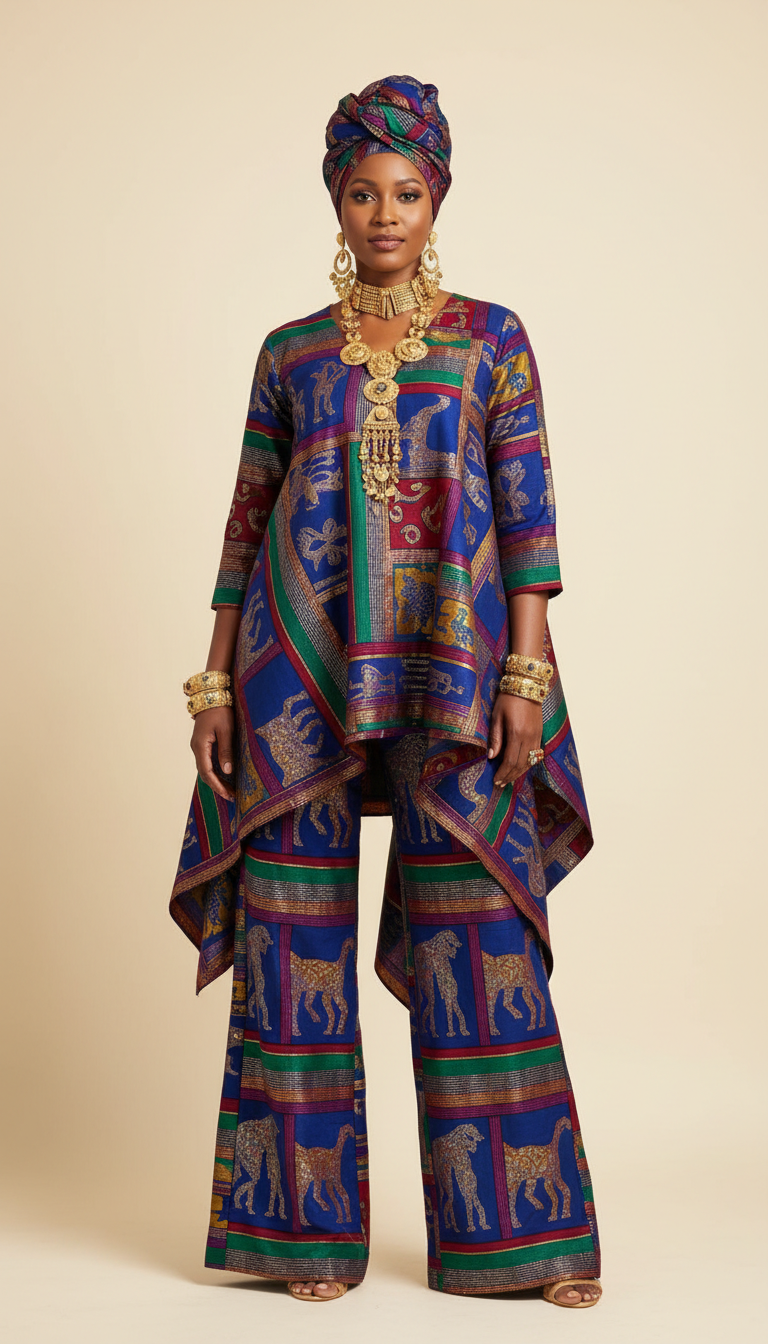
How AI-Driven Emotional Intelligence Works
AI-driven emotional intelligence in fashion involves a few key steps:
- Data Collection: Gathering information from various sources, including social media and sales data.
- Emotion Analysis: Using AI to interpret emotional cues from the data.
- Personalized Recommendations: Providing style suggestions based on the emotional data collected.
These steps allow brands to understand not just what their customers are buying, but why they are buying it, leading to more meaningful connections.

Benefits of Emotional Intelligence in Fashion
The integration of emotional intelligence in fashion offers numerous benefits. It enables brands to create collections that resonate more deeply with their audience, fostering a sense of connection and loyalty. By understanding the emotional needs of consumers, brands can design products that not only meet but exceed expectations.
Moreover, emotionally intelligent fashion can lead to better inventory management. By predicting what consumers will love, brands can optimize their stock levels, reducing waste and increasing efficiency.
Challenges and Future Prospects
While the benefits are clear, there are challenges in implementing emotional intelligence in fashion. Ensuring data privacy and overcoming resistance to AI are significant hurdles. However, as technology advances, these challenges are likely to diminish, paving the way for even more personalized and emotionally resonant fashion experiences.
The future of fashion is not just about style but about understanding and connecting with consumers on a deeper level. As AI continues to evolve, so too will the ways in which it enhances emotional intelligence in fashion, offering exciting possibilities for both brands and consumers alike.