Emotional Intelligence in Fashion: The Future of Personalized Style


The Intersection of Emotional Intelligence and Fashion
Emotional intelligence has been a buzzword in various industries for years, but its integration into the fashion world is a relatively new phenomenon. As consumers become more aware of their personal style and what it conveys, the demand for emotionally intelligent fashion is on the rise. This trend is reshaping how designers and brands approach their collections, emphasizing a deeper connection with the wearer.

At its core, emotional intelligence in fashion involves understanding and responding to customers' emotional needs and preferences. It's about recognizing the power of clothing not just as a form of self-expression, but as a tool for emotional and psychological well-being. This approach is leading to the creation of garments that resonate on a more personal level.
Personalization: The Key to Emotional Connection
Personalized style has become a cornerstone of emotional intelligence in fashion. Consumers today crave clothing that reflects their unique identities and fits their lifestyle seamlessly. Thanks to advancements in technology and data analytics, brands can now offer more personalized experiences than ever before.
Some ways personalization is achieved include:
- Customized Clothing: Offering tailored fit and design options.
- AI-Powered Recommendations: Using data to suggest items based on past purchases and preferences.
- Interactive Shopping Experiences: Allowing customers to engage directly with the design process.

This level of personalization not only enhances customer satisfaction but also fosters brand loyalty. When consumers feel understood, they are more likely to return to a brand that consistently meets their emotional and stylistic needs.
The Role of Technology in Enhancing Emotional Intelligence
Technology is a driving force behind the integration of emotional intelligence in fashion. From AI algorithms that analyze consumer behavior to virtual fitting rooms that offer personalized styling advice, tech innovations are bridging the gap between fashion and emotional intelligence.
Brands are now able to gather insights into what colors, fabrics, and styles resonate emotionally with their audience. This data-driven approach allows for the creation of collections that not only look good but also make the wearer feel good.

Furthermore, wearable technology is on the rise, offering consumers clothing that can adapt to their emotional states. Imagine a jacket that changes color based on your mood or a shirt that adjusts its fit in response to stress levels. These innovations are not just futuristic fantasies; they are becoming a reality.
The Future of Fashion: Empathy and Innovation
As we look to the future, the fusion of emotional intelligence and fashion promises a more empathetic and innovative industry. Designers are encouraged to think beyond aesthetics and consider how their creations can impact emotional well-being. This shift could lead to more sustainable practices, as brands focus on quality and longevity rather than fast fashion trends.
The rise of emotional intelligence in fashion also suggests a more inclusive approach. By understanding diverse emotional needs, brands can cater to a broader audience, respecting individuality and celebrating diversity.
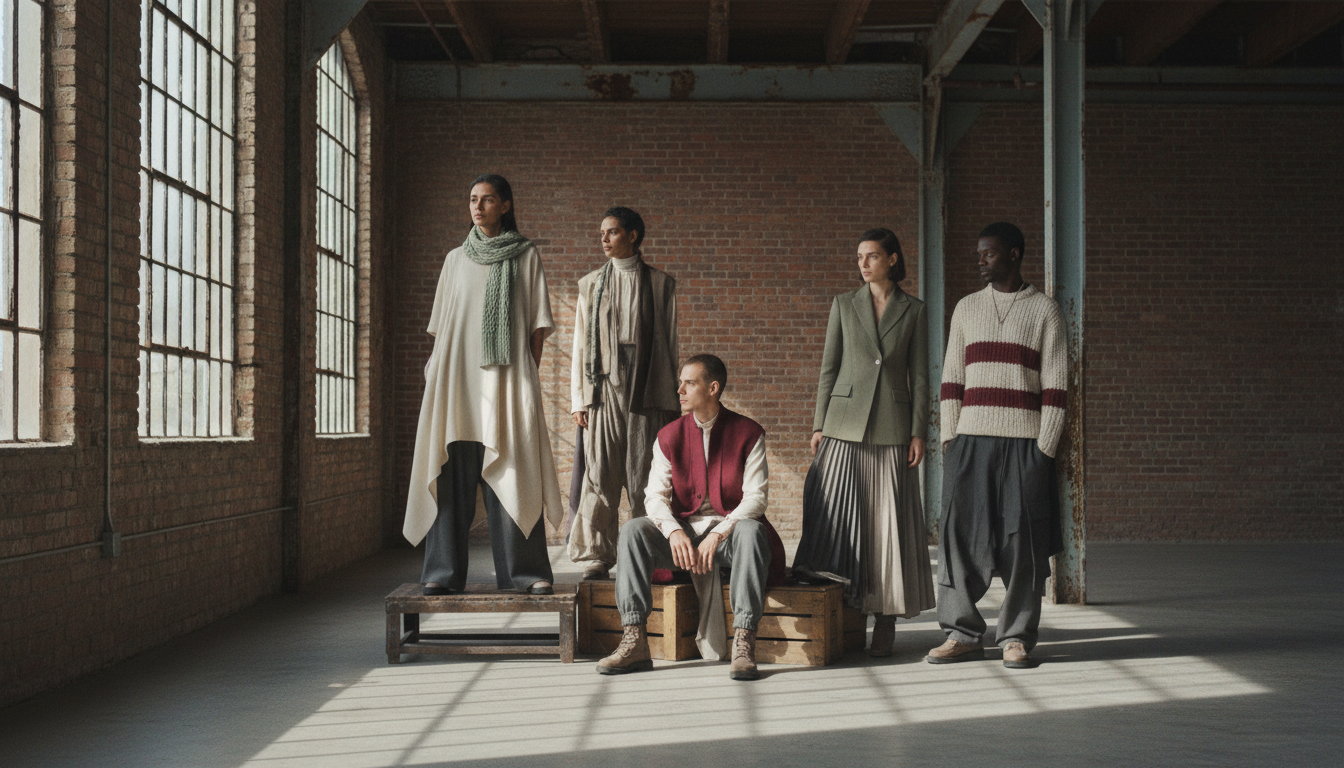
In conclusion, emotional intelligence is transforming the fashion landscape, offering a future where style is not just personal but deeply connected to our emotional lives. As brands continue to harness technology and empathy, the possibilities for personalized style are endless, paving the way for a more thoughtful and emotionally resonant fashion industry.