The Rise of Emotional Intelligence in Fashion: A New Era of Styling


Understanding Emotional Intelligence in Fashion
In recent years, the fashion industry has witnessed a paradigm shift where emotional intelligence (EI) is becoming a vital component in design and marketing. This new focus emphasizes understanding and responding to consumer emotions, leading to a more personalized and engaging shopping experience. As brands strive to connect on a deeper level with their audience, EI is at the forefront of this movement.
Emotional intelligence in fashion involves recognizing and interpreting consumer emotions, preferences, and behaviors. By leveraging these insights, brands can create designs that resonate with their audience's feelings and values, ultimately fostering a stronger brand connection.
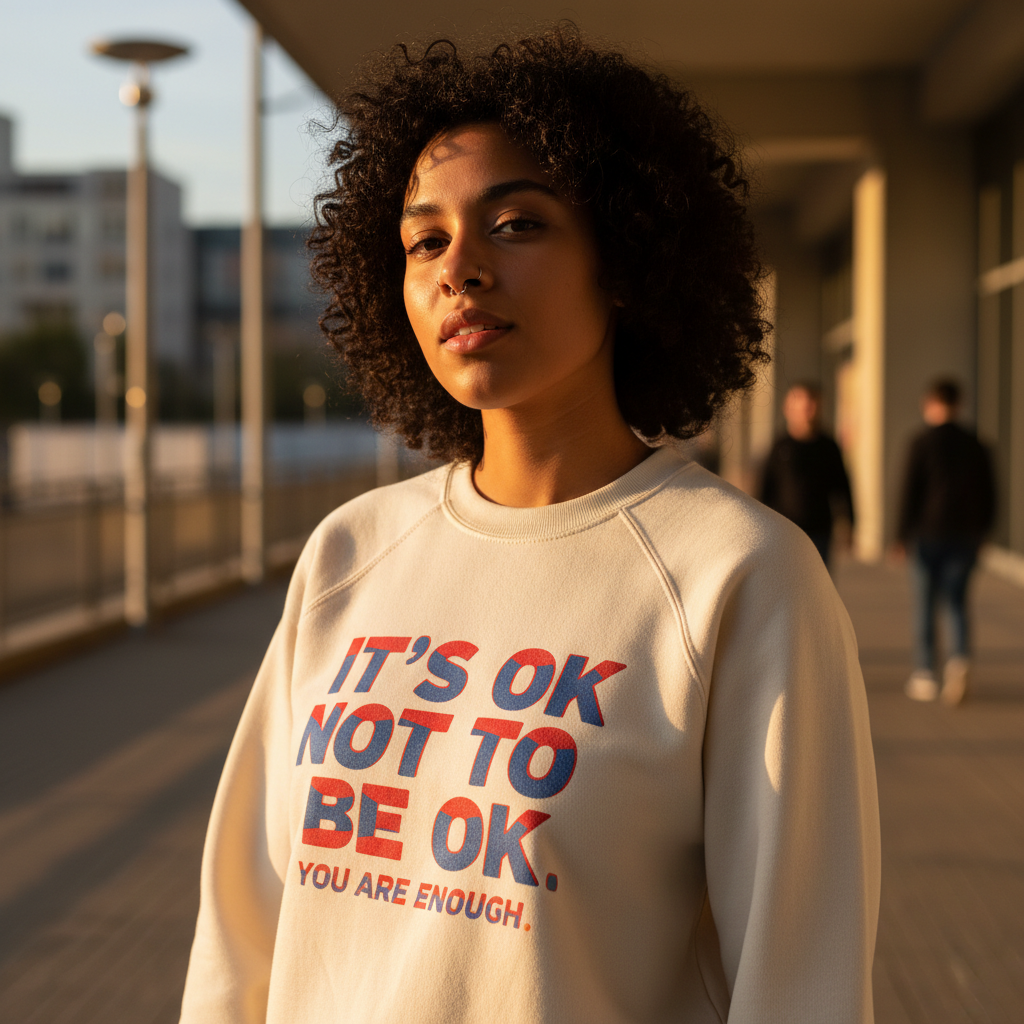
The Role of Emotional Intelligence in Design
Designers are now integrating EI principles into their creative processes to enhance the emotional appeal of their collections. This involves choosing colors, fabrics, and styles that evoke specific emotions and align with the consumer's lifestyle and aspirations.
For instance, cool tones and soft fabrics might be used to promote relaxation and comfort, while bold colors and structured designs could evoke confidence and empowerment. By understanding these emotional triggers, designers can craft collections that speak directly to the consumer's heart.

Personalization Through Emotional Data
Data analytics plays a significant role in harnessing emotional intelligence in fashion. By analyzing consumer interactions and feedback, brands can tailor their offerings to meet individual preferences, creating a more personalized shopping experience.
This personalization goes beyond mere customization. It involves understanding the emotional needs of consumers and delivering products that fulfill those needs. Whether it's a particular style, color, or fit, emotional data helps brands to connect more intimately with their audience.

Marketing with Emotional Intelligence
The rise of EI in fashion also extends to marketing strategies. Brands are now crafting campaigns that resonate emotionally, using storytelling and authentic communication to foster genuine connections with their audience.
By focusing on values and experiences that matter to their consumers, brands can create marketing messages that are not only persuasive but also meaningful. This approach not only boosts brand loyalty but also encourages consumer advocacy.
Building Emotional Connections
Building emotional connections with consumers is a long-term strategy that requires consistent effort and genuine empathy. Brands that succeed in this endeavor often enjoy a loyal customer base and a strong market presence.
Strategies for building these connections include engaging with consumers on social media, responding to feedback, and showcasing authentic brand stories. These efforts create a community around the brand, where consumers feel valued and understood.

The Future of Fashion and Emotional Intelligence
The integration of emotional intelligence in fashion is not just a trend but a new era of styling that prioritizes empathy and understanding. As technology and consumer expectations evolve, EI will continue to shape the industry's future.
In this new era, fashion is not just about aesthetics but also about creating meaningful experiences that resonate with consumers on an emotional level. For brands, this means embracing emotional intelligence as a core aspect of their business strategy.