The Rise of Emotionally Intelligent Fashion: How AI is Transforming Personal Style


The Intersection of Fashion and Technology
In recent years, the fashion industry has experienced a transformative shift, driven by the integration of artificial intelligence (AI). This shift is not only about enhancing design and production processes but also about creating an emotionally intelligent fashion landscape. By leveraging AI, designers and brands can create personalized experiences that resonate with consumers on a deeper level.
Emotionally intelligent fashion goes beyond aesthetics, focusing on understanding and responding to the emotional needs of the wearer. This innovative approach allows for a more personalized style experience, where each piece of clothing or accessory can reflect the wearer's mood, preferences, and personality.
Understanding Emotionally Intelligent Fashion
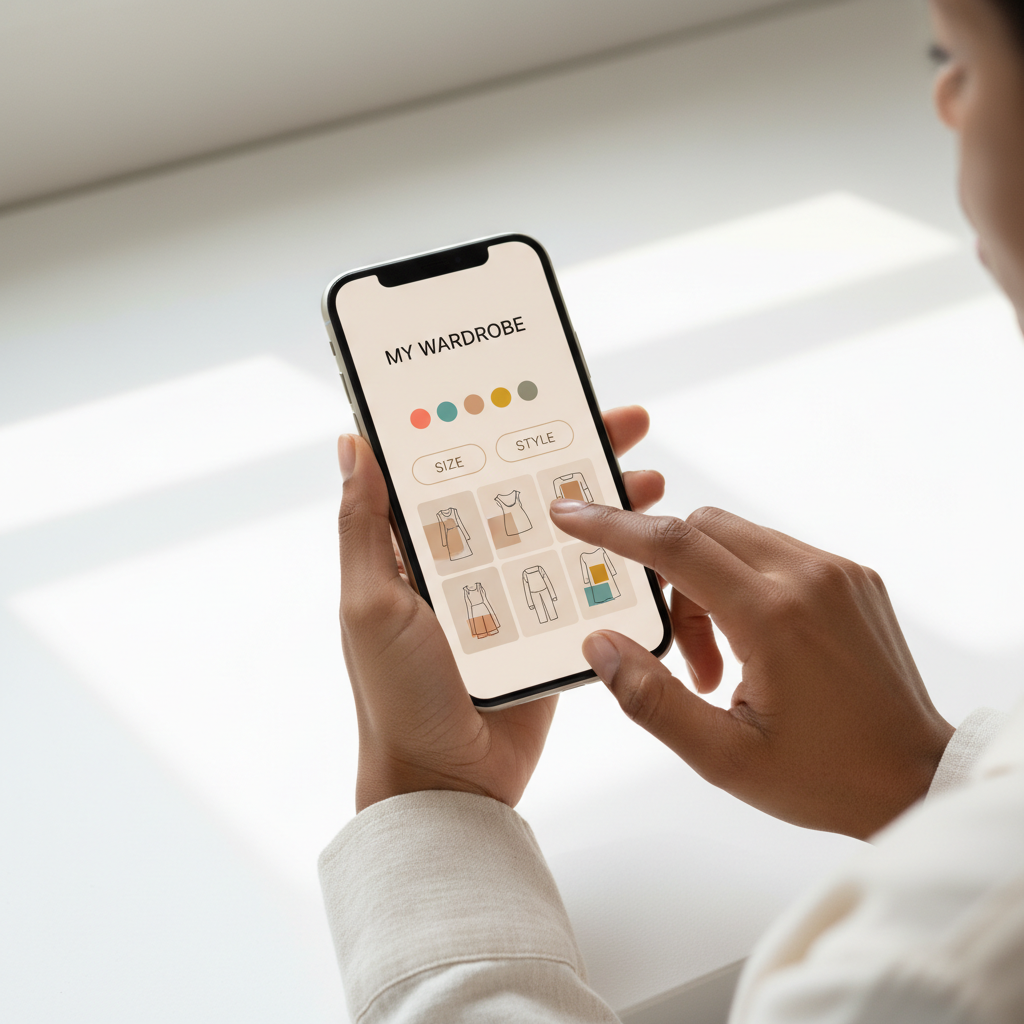
Emotionally intelligent fashion is defined by its ability to connect with the wearer on an emotional level. This is achieved through the use of AI algorithms that analyze data from various sources, such as social media, shopping habits, and even biometric sensors. By interpreting this data, AI can recommend styles that align with the wearer's current emotional state or desired self-expression.
For example, if a person is feeling stressed, AI can suggest comfortable and soothing clothing options. Conversely, if someone is preparing for a big presentation, AI might recommend outfits that boost confidence and convey professionalism.
The Role of AI in Personal Style
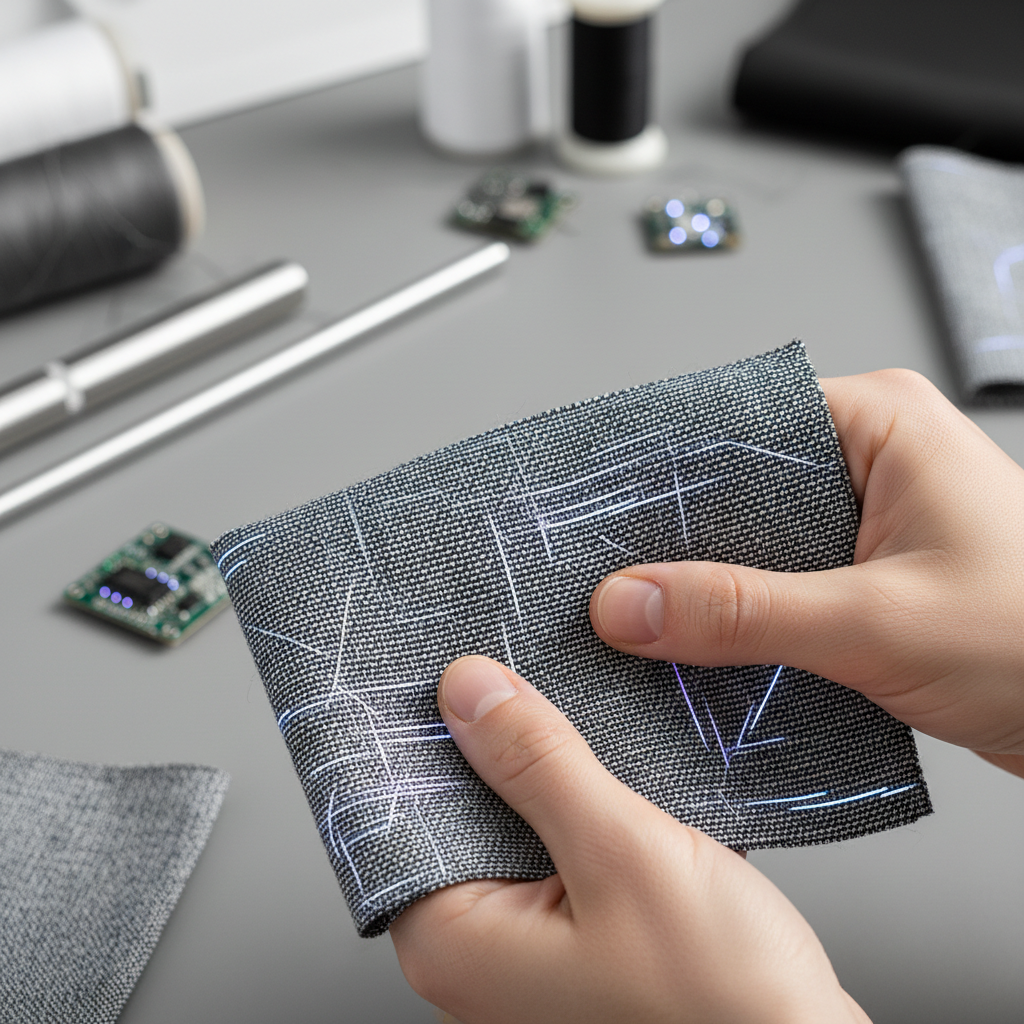
AI's role in personal style extends beyond recommendations. It also includes the creation of garments that can adapt to changing emotions. Smart fabrics and wearable technology can adjust colors, patterns, or even temperatures based on the wearer's feelings. This dynamic interaction between clothing and consciousness opens up new possibilities for self-expression and individuality.

Benefits of Emotionally Intelligent Fashion
The rise of emotionally intelligent fashion offers several benefits to consumers and brands alike. For consumers, it provides a more personalized shopping experience, where every purchase is tailored to their unique emotional and stylistic needs. This personalization leads to increased satisfaction and brand loyalty.
For brands, emotionally intelligent fashion presents an opportunity to differentiate themselves in a competitive market. By offering products that respond to consumers' emotional states, brands can create deeper connections and foster lasting relationships with their customers.
Challenges and Considerations
Despite its potential, the integration of AI in fashion is not without challenges. Privacy concerns are at the forefront, as the technology relies heavily on personal data. Brands must ensure that they handle this data responsibly and transparently, adhering to strict privacy standards to maintain consumer trust.
Additionally, there is the challenge of ensuring that AI algorithms are inclusive and free from biases. Fashion should be accessible to everyone, and AI must be designed to reflect a diverse range of cultures, body types, and personal expressions.
The Future of Emotionally Intelligent Fashion
As technology continues to evolve, the future of emotionally intelligent fashion looks promising. We can expect further advancements in AI, leading to even more sophisticated and intuitive style recommendations. Wearable technology will become more integrated with our daily lives, offering seamless interactions between our emotions and our wardrobes.
Ultimately, emotionally intelligent fashion represents a new frontier in personal style, where technology and human emotion coexist harmoniously. This innovative approach has the potential to redefine how we perceive and interact with fashion, making it a more meaningful and enriching experience for everyone.