The Rise of Sustainable Fashion: How Digital Wardrobes Are Changing the Game


The Emergence of Sustainable Fashion
In recent years, the fashion industry has undergone a remarkable transformation. The rise of sustainable fashion is not just a trend; it's a movement reshaping how we think about clothing. As environmental concerns grow, consumers are increasingly aware of the impact their fashion choices have on the planet. This shift has led to the creation of innovative solutions, including the concept of digital wardrobes.
The Concept of Digital Wardrobes
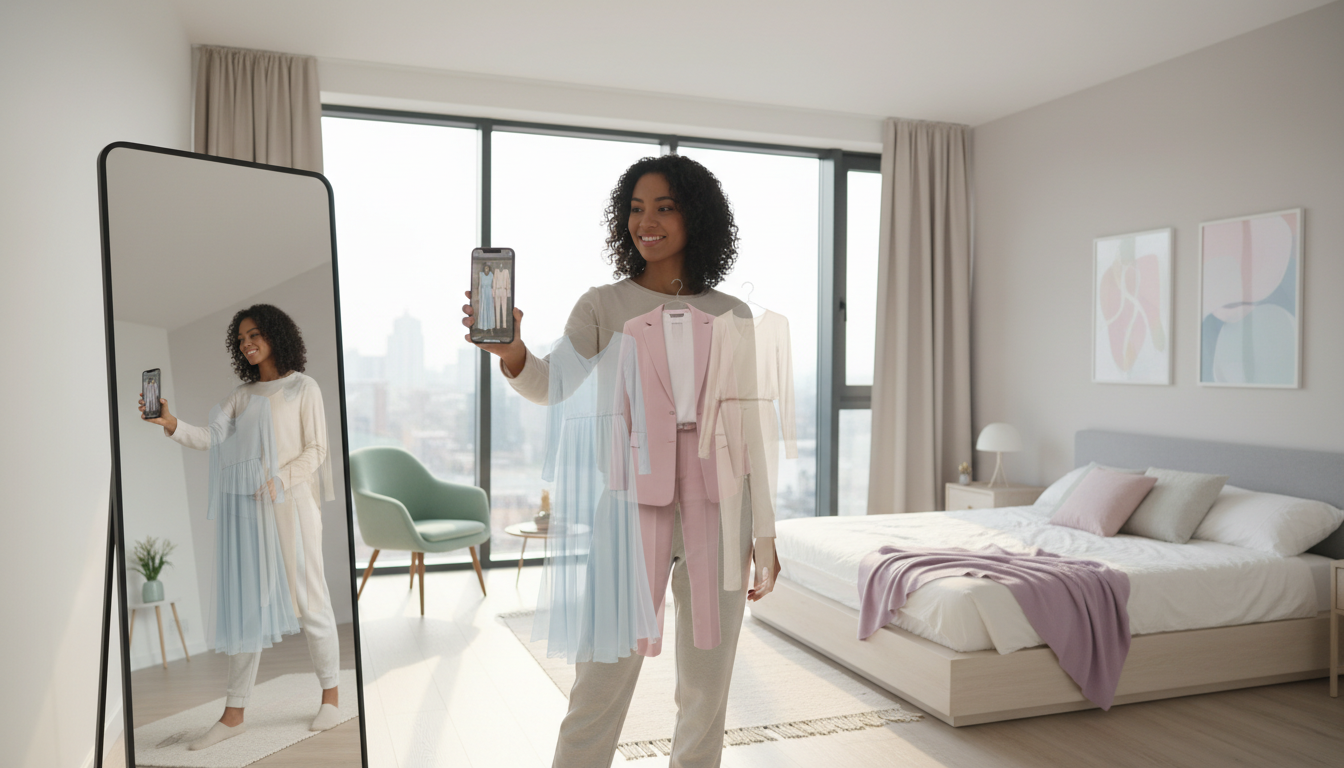
Digital wardrobes are revolutionizing how we interact with fashion. By enabling users to store and manage their clothing digitally, these platforms promote conscious consumption and reduce waste. Instead of buying new items, fashion enthusiasts can explore virtual clothing, try on outfits digitally, and even purchase virtual fashion assets. This technology-driven approach caters to the eco-conscious consumer while maintaining style and creativity.
Benefits of Embracing Digital Fashion
The integration of digital wardrobes offers numerous benefits. One primary advantage is the reduction of textile waste, as virtual clothing doesn't require physical resources for production. Additionally, digital fashion allows for personalization and experimentation without the environmental costs. Consumers can enjoy an endless array of styles without contributing to the fast fashion cycle.

Moreover, digital wardrobes can democratize fashion by making it more accessible. With lower costs and fewer barriers to entry, emerging designers can showcase their creations in the virtual world, reaching a broader audience than ever before. This opens up opportunities for creativity and diversity in the fashion landscape.
How Brands Are Adapting
Recognizing the potential of digital wardrobes, several fashion brands are embracing this trend. By offering virtual collections, brands can engage with tech-savvy consumers who prioritize sustainability. These digital collections can be marketed as limited editions, creating exclusivity and driving demand.
Furthermore, brands are collaborating with technology companies to enhance the digital wardrobe experience. Augmented reality (AR) and virtual reality (VR) technologies play a significant role in this evolution, allowing consumers to virtually try on clothes and experience fashion in immersive ways.
Challenges and Future Prospects
While digital wardrobes offer exciting possibilities, they also come with challenges. Issues such as digital piracy and intellectual property rights need to be addressed. Additionally, the fashion industry must ensure that these digital solutions are inclusive and accessible to all.
Looking ahead, the future of sustainable fashion lies in the seamless integration of technology and creativity. As more brands and consumers embrace digital wardrobes, the industry will continue to evolve, setting new standards for sustainability and innovation.
Conclusion: A New Era in Fashion
The rise of sustainable fashion, powered by digital wardrobes, marks a new era in the industry. By prioritizing environmental responsibility and harnessing the power of technology, the fashion world is poised for a sustainable and stylish future. Embracing these changes not only benefits the planet but also enhances the fashion experience for consumers worldwide.