How Fashion and Mental Health Intersect in the Digital Age


The Influence of Fashion on Mental Health
In the digital age, the intersection of fashion and mental health has become increasingly significant. The way we dress often reflects our emotions, and conversely, our clothing choices can impact our mental state. With the rise of social media, fashion trends spread rapidly, influencing how we perceive ourselves and others.
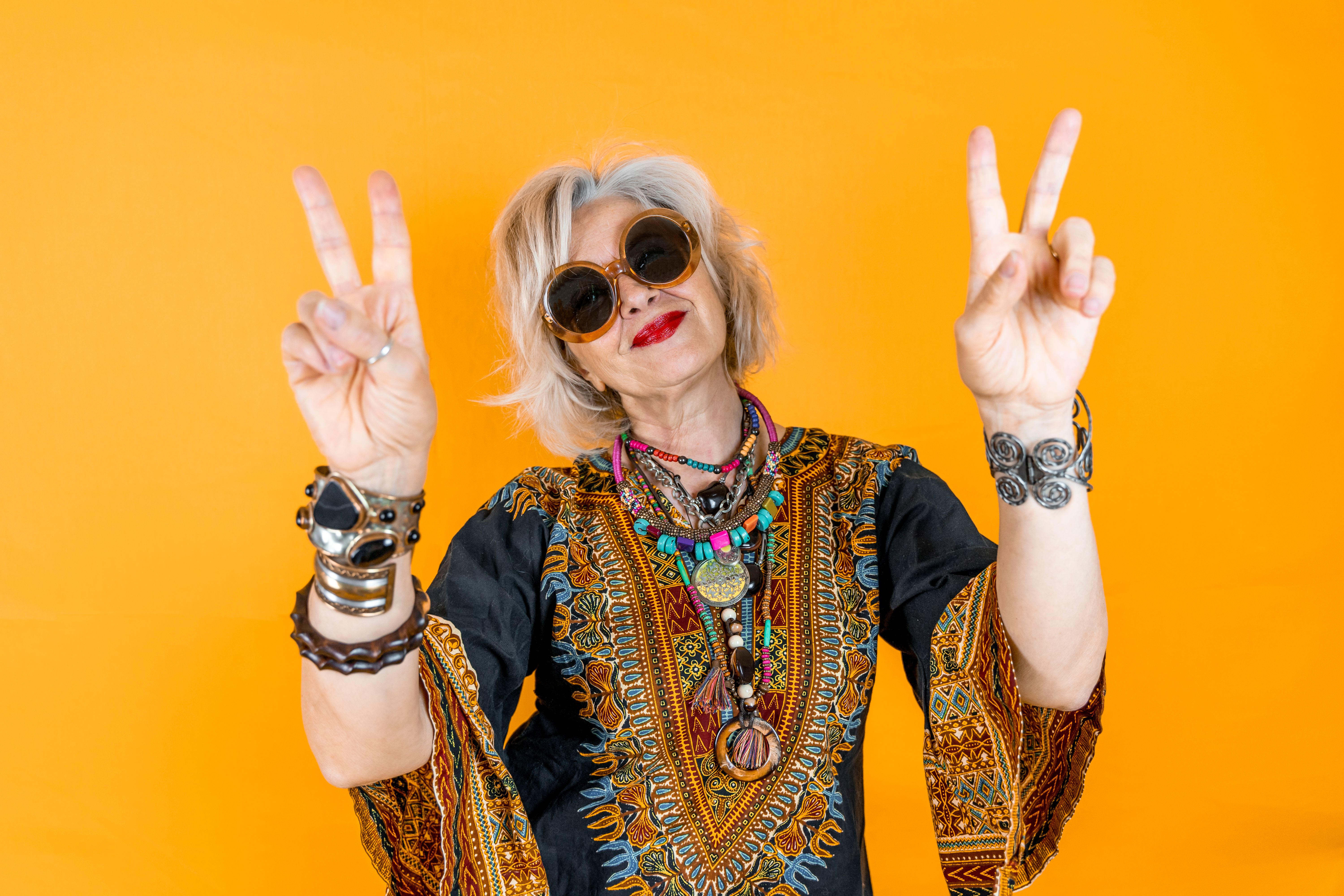
Fashion can serve as a form of self-expression, allowing individuals to showcase their unique identities. This expression can be empowering, boosting confidence and self-esteem. However, the pressure to conform to certain trends can also lead to stress and anxiety, particularly when individuals feel they do not fit the "ideal" image portrayed online.
The Role of Social Media
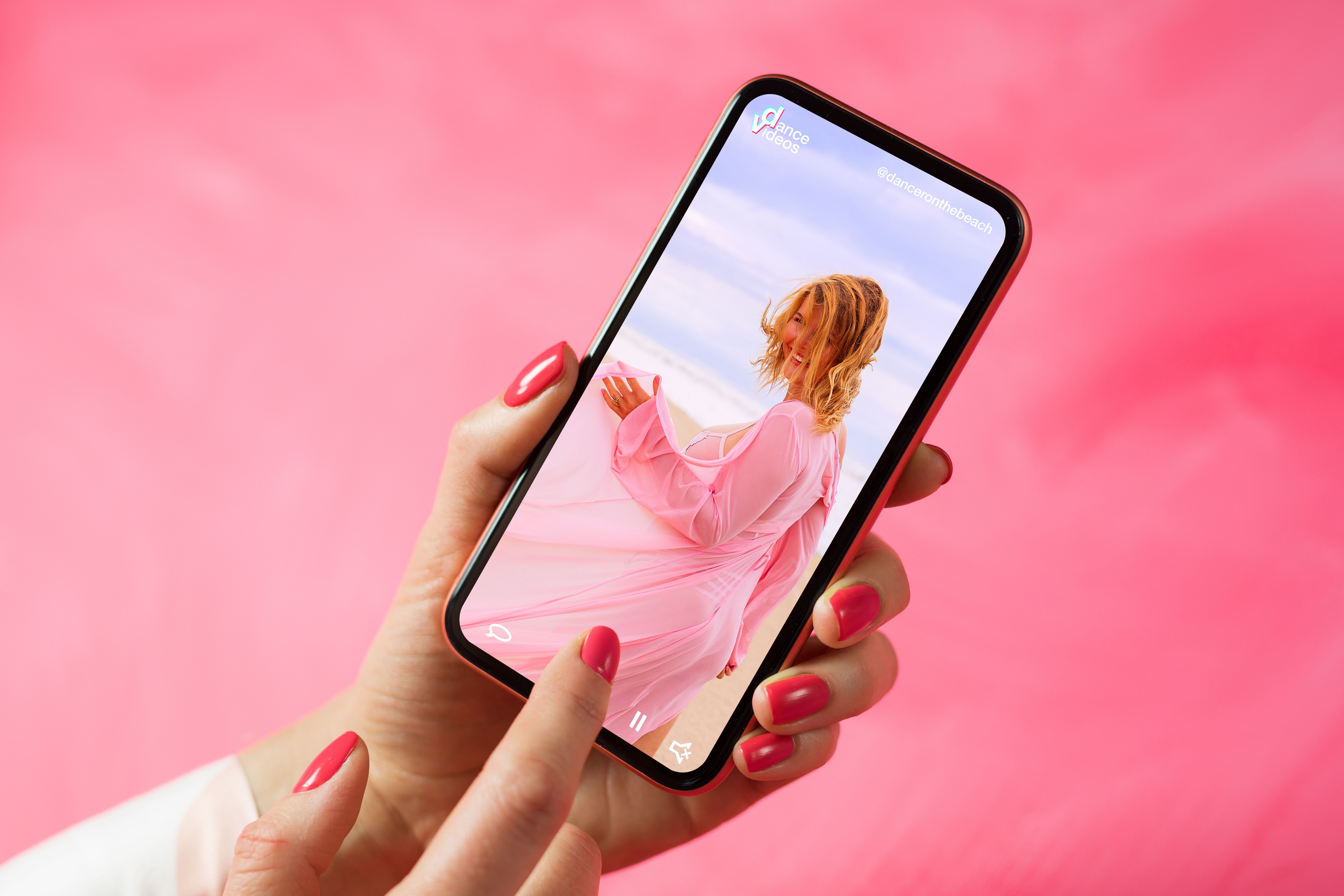
Social media platforms like Instagram and TikTok have a profound impact on fashion and mental health. They offer a space for creativity and inspiration but can also be a source of comparison and self-doubt. The constant exposure to curated images of perfection can lead to unrealistic expectations and body image issues.
On the positive side, social media has given rise to communities that promote body positivity and mental health awareness. These communities encourage people to embrace their true selves, fostering a sense of belonging and acceptance.
Fashion as a Tool for Mental Well-being
Fashion can be a powerful tool for enhancing mental well-being. By choosing clothing that makes us feel comfortable and confident, we can positively influence our mood and outlook. Engaging in the creative process of selecting outfits can also serve as a form of mindfulness, helping to reduce stress.
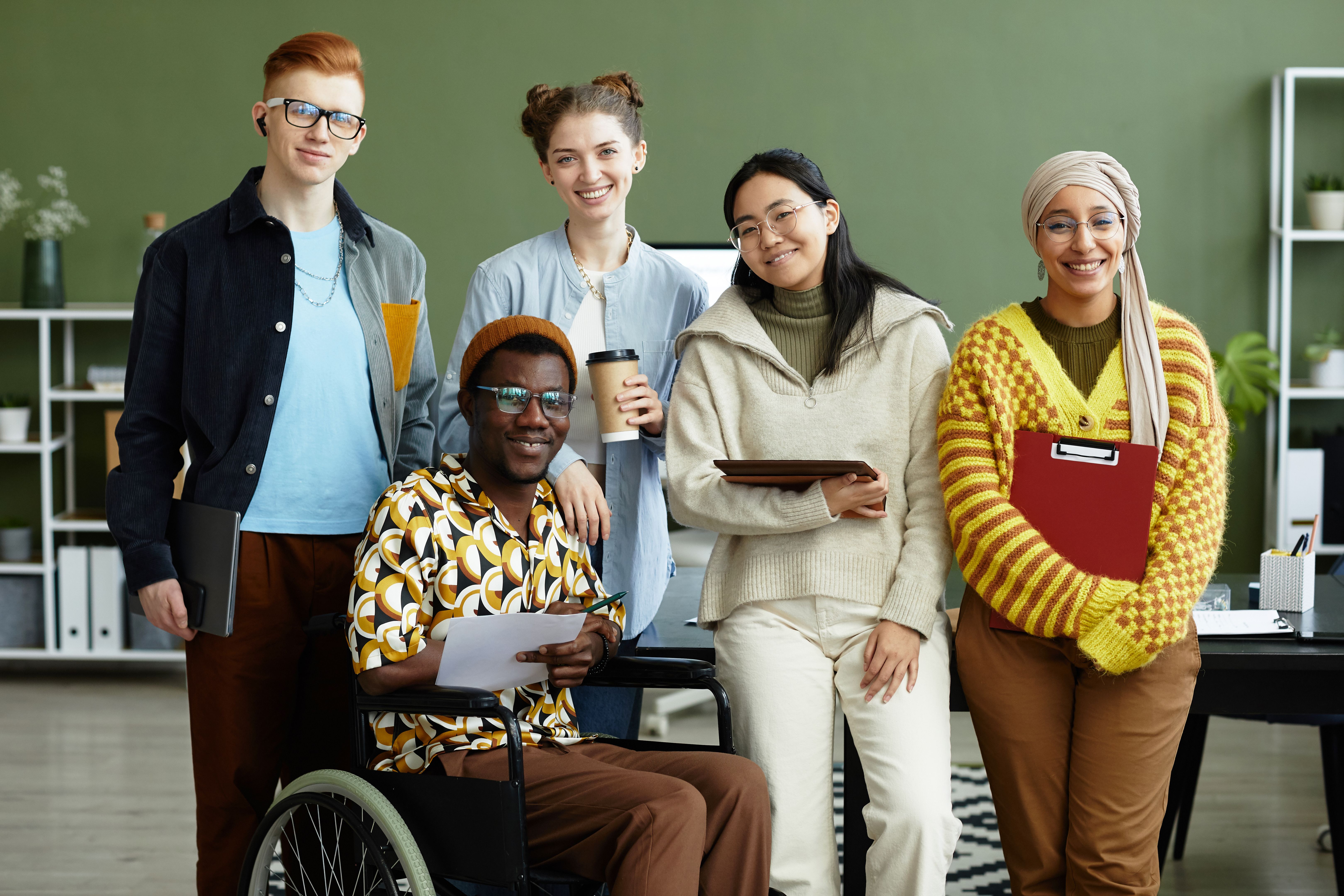
Moreover, many brands are recognizing the importance of mental health and are incorporating it into their ethos. They are creating inclusive lines that cater to diverse body types and promote mental health initiatives, encouraging consumers to prioritize their well-being over following trends.
The Dark Side of Fashion Trends
While fashion can be uplifting, it also has a darker side. The pressure to keep up with fast-changing trends can lead to financial strain and a feeling of inadequacy. The fashion industry's focus on perfection can exacerbate mental health issues like anxiety and depression, particularly among young people.
To combat these negative effects, it is essential to approach fashion mindfully. This means being aware of the impact that fashion choices have on mental health and making conscious decisions that prioritize personal well-being over societal expectations.
Strategies for a Healthier Relationship with Fashion
Developing a healthier relationship with fashion involves setting boundaries and being selective about the content consumed online. Here are some strategies to consider:
- Follow accounts that promote body positivity and mental health.
- Limit time spent on social media to avoid feeling overwhelmed.
- Focus on personal style rather than fleeting trends.
By taking these steps, individuals can enjoy fashion in a way that supports their mental health, rather than detracting from it.
Conclusion
The intersection of fashion and mental health in the digital age is complex. While fashion offers a means of self-expression and empowerment, it can also contribute to mental health challenges. By understanding and navigating this intersection mindfully, individuals can harness the positive aspects of fashion while mitigating its potential drawbacks.